I've left the whole world behind; I don't care about it anymore. Nothing else matters to me now except hurting you. May God give you strength to endure your heartbreak. From the bottom of my heart, I pray that He grants me a long life.
While oralism, an approach to educating deaf students focusing on oral language, had previously been used in American schools, the Milan Congress كلمات اغنية تعيش وتجرح يارا محمد made it dominant and effectively banned the use of sign languages at schools in the United States and Europe.
However, the efforts of Deaf advocates and educators, more lenient enforcement of the Congress's mandate, and the use of ASL in religious education and proselytism ensured greater use and documentation compared to European sign languages, albeit more influenced by fingerspelled loanwords and borrowed idioms from English as students were societally pressured to achieve fluency in spoken language.
Nevertheless, oralism remained the predominant method of deaf education up to the 1950s. Linguists did not consider sign language to be true "language" but as something inferior.
Recognition of the legitimacy of ASL was achieved by William Stokoe, a linguist who arrived at Gallaudet University in 1955 when that was still the dominant assumption. Aided by the Civil Rights Movement of the 1960s, Stokoe argued for manualism, the use of sign language in deaf education.
Read morePublished on March 3, 2026


I've left the whole world behind; I don't care about it anymore. Nothing else matters to me now except hurting you. May God give you strength to endure your heartbreak. From the bottom of my heart, I pray that He grants me a long life.
While oralism, an approach to educating deaf students focusing on oral language, had previously been used in American schools, the Milan Congress كلمات اغنية تعيش وتجرح يارا محمد made it dominant and effectively banned the use of sign languages at schools in the United States and Europe.
However, the efforts of Deaf advocates and educators, more lenient enforcement of the Congress's mandate, and the use of ASL in religious education and proselytism ensured greater use and documentation compared to European sign languages, albeit more influenced by fingerspelled loanwords and borrowed idioms from English as students were societally pressured to achieve fluency in spoken language.
Nevertheless, oralism remained the predominant method of deaf education up to the 1950s. Linguists did not consider sign language to be true "language" but as something inferior.
Recognition of the legitimacy of ASL was achieved by William Stokoe, a linguist who arrived at Gallaudet University in 1955 when that was still the dominant assumption. Aided by the Civil Rights Movement of the 1960s, Stokoe argued for manualism, the use of sign language in deaf education.

 Find Live Music
Today 08:51
Find Live Music
Today 08:51
 Music Medicine
1 week
Music Medicine
1 week
 String Musicians Australia
1 week
String Musicians Australia
1 week
 so4mp3
2 weeks
so4mp3
2 weeks
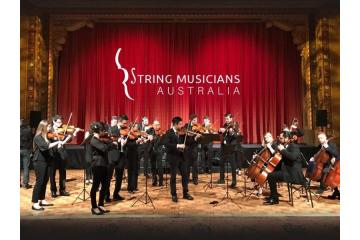
 String Musicians Australia
3 weeks
String Musicians Australia
3 weeks
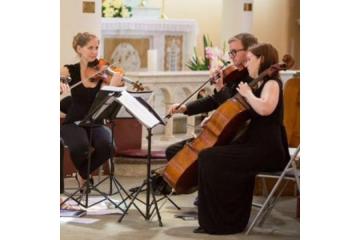 Find Live Music
4 weeks
Find Live Music
4 weeks
 so4mp3
1 month
so4mp3
1 month
 Find Live Music
1 month
Find Live Music
1 month
 String Musicians Australia
1 month
String Musicians Australia
1 month
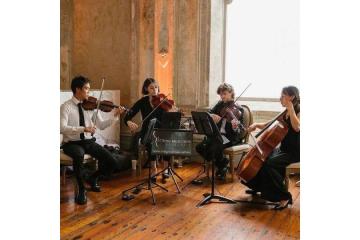 Find Live Music
1 month
Find Live Music
1 month
 String Musicians Australia
1 month
String Musicians Australia
1 month
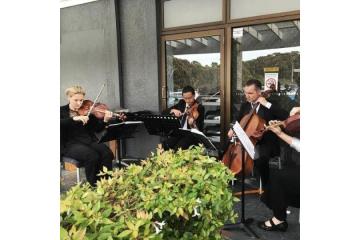 String Musicians Australia
2 months
String Musicians Australia
2 months
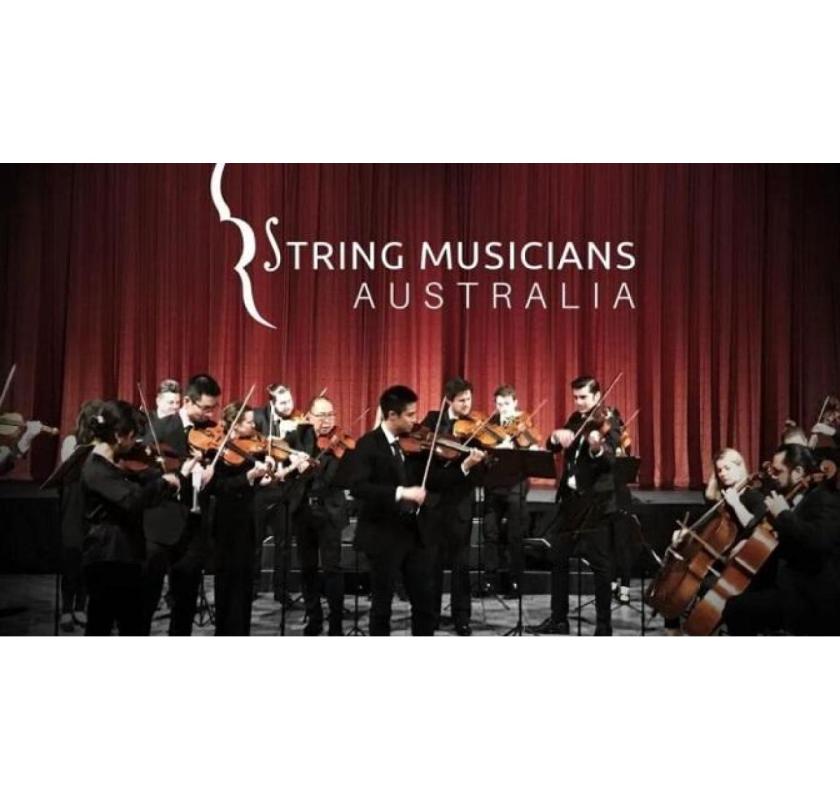 Find Live Music
2 months
Find Live Music
2 months
 Find Live Music
2 months
Find Live Music
2 months
 Find Live Music
2 months
Find Live Music
2 months
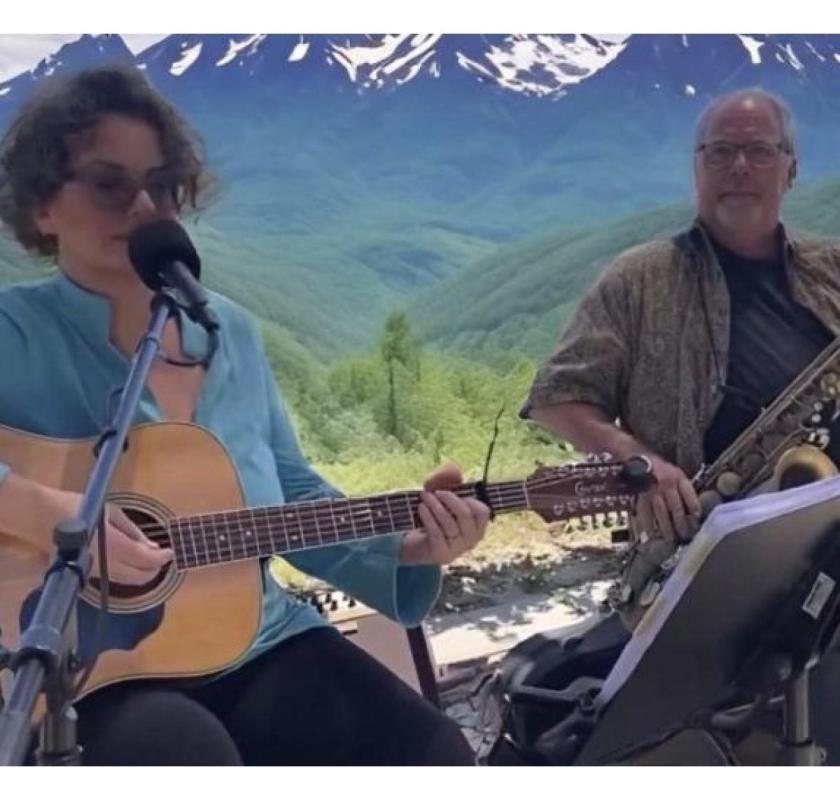 Find Live Music
2 months
Find Live Music
2 months
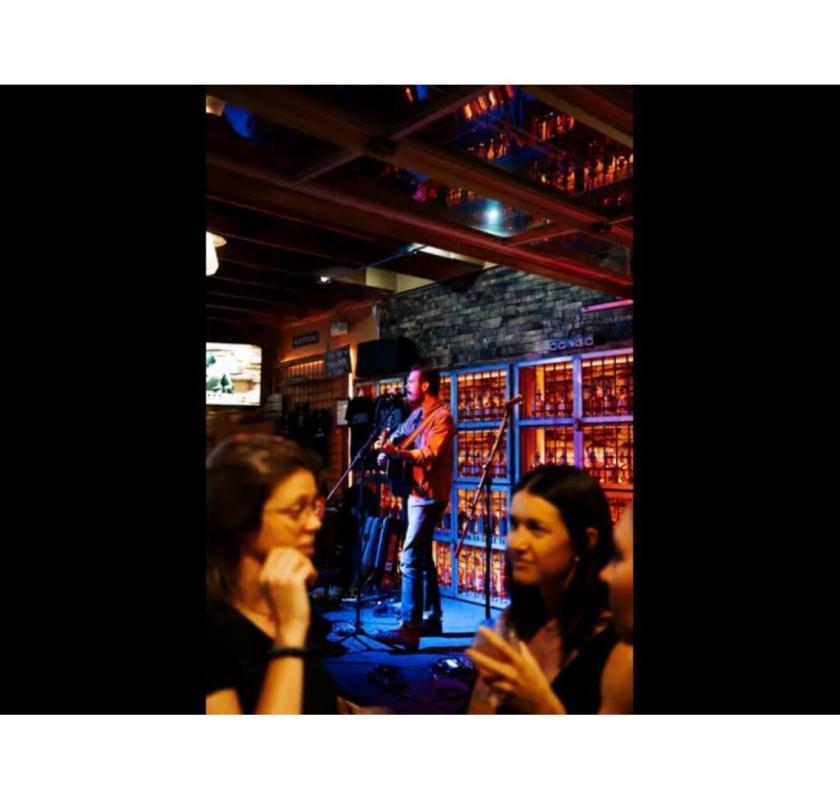 so4mp3
2 months
so4mp3
2 months
 Find Live Music
2 months
Find Live Music
2 months
 String Musicians Australia
2 months
String Musicians Australia
2 months
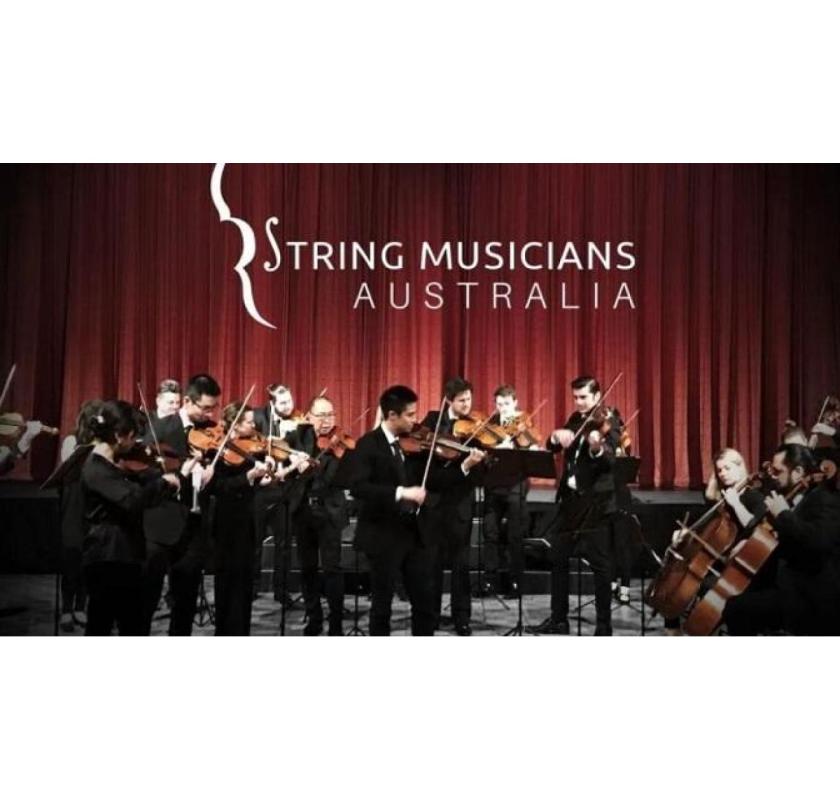 Find Live Music
3 months
Find Live Music
3 months
 String Musicians Australia
3 months
String Musicians Australia
3 months
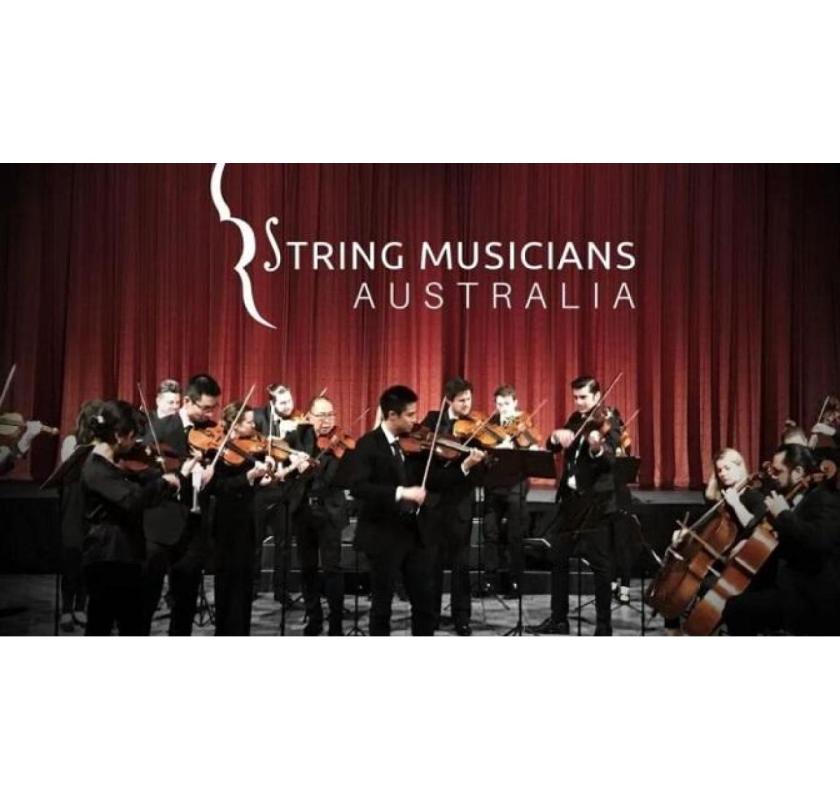 so4mp3
3 months
String Musicians Australia
3 months
so4mp3
3 months
String Musicians Australia
3 months
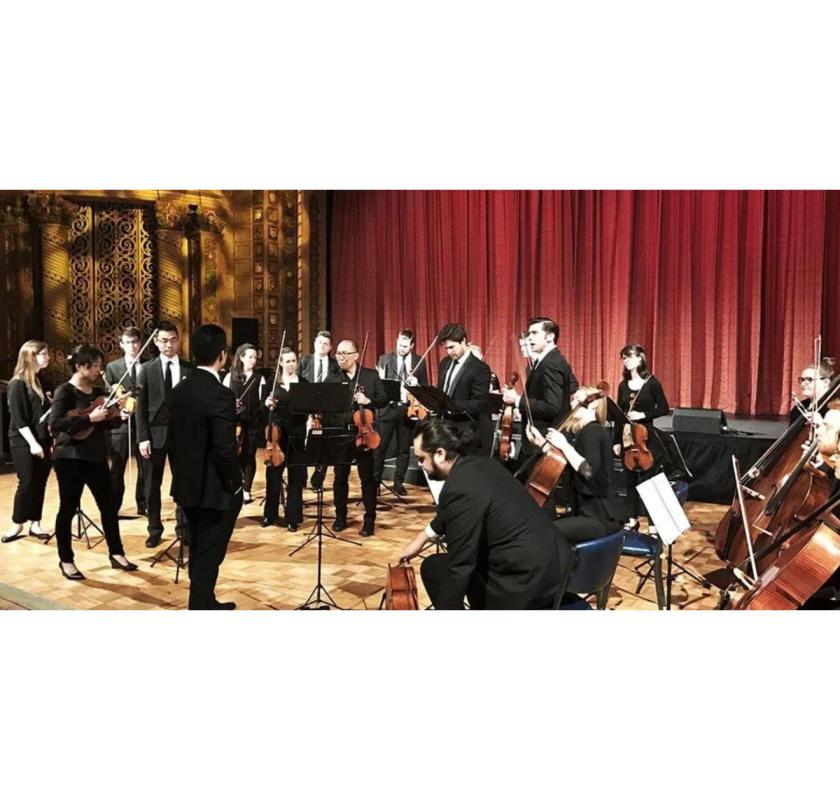 String Musicians Australia
4 months
String Musicians Australia
4 months
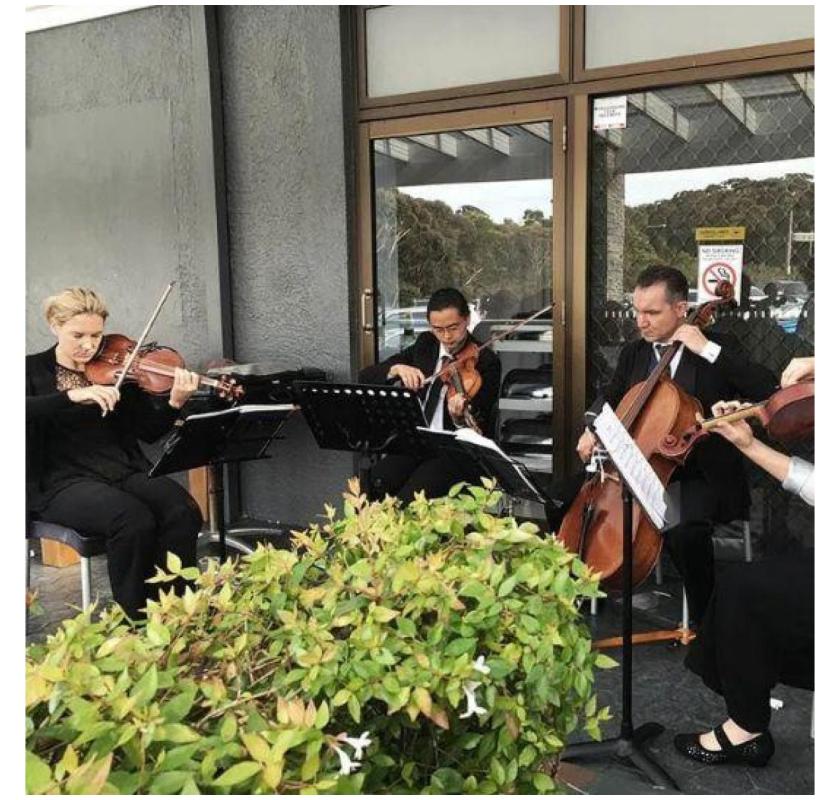 Find Live Music
2 months
Find Live Music
2 months