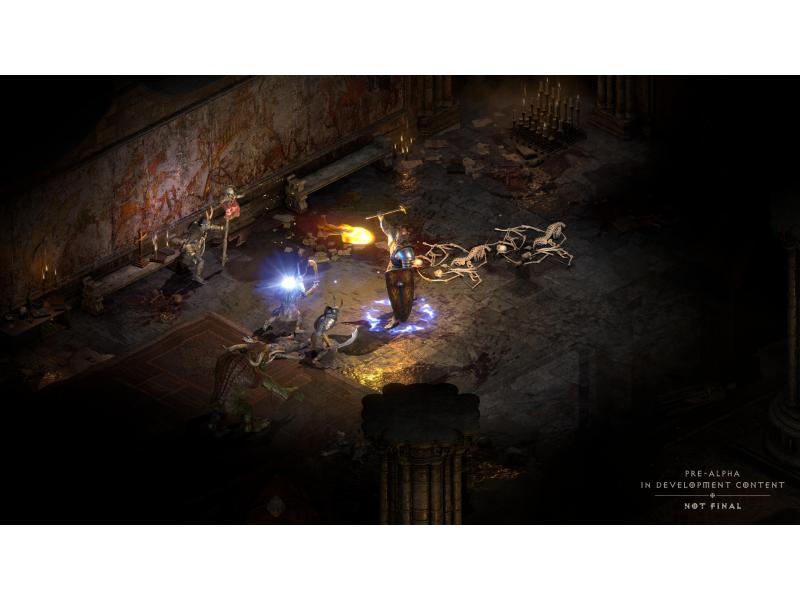
For veteran demon hunters, the start of a Diablo II: Resurrected Ladder is less about replaying an old campaign and more about solving a familiar puzzle under new conditions. Players planning early upgrades often watch the market for D2R Ladder Items while deciding which class, farming route, and trading strategy can carry them through the first hectic weeks.
The appeal lies in the reset itself. Every participant begins with limited equipment, modest gold reserves, and a shared race toward Hell difficulty. That pressure makes ordinary drops feel valuable again and gives cooperative play a renewed purpose.
A Fresh Economy Changes Every Decision
During the opening days, basic runes, resistance gear, and useful socketed bases can be more valuable than flashy endgame treasures. A player who recognizes a four-socket polearm or a suitable Spirit base may gain a stronger advantage than someone who only hunts for rare uniques.
The market also develops quickly. Early demand usually centers on leveling gear and affordable runewords, while high-end items become more important after organized groups reach advanced farming areas. Selling practical finds at the right moment can finance a character's entire progression.
Collect runes and flawless gems instead of ignoring small drops.
Check socket counts and item level requirements before trading bases.
Keep resistance charms and faster-cast equipment for difficult transitions.
Build Choice Matters More Than Perfect Gear
A Ladder character needs enough power to clear content before expensive equipment becomes available. Sorceresses remain popular because teleporting speeds up farming, but Paladins, Necromancers, and Assassins each offer reliable routes through the early game with comparatively modest investments.
The strongest starter build is not always the one with the highest theoretical damage. Survivability, mobility, and the ability to handle immune monsters often matter more when a player has not yet assembled specialized equipment. Flexible skills reduce frustrating stops in Nightmare and Hell.
Social Play Creates Faster Progress
Group leveling remains one of the most effective ways to experience a reset. Parties can divide roles: one player provides crowd control, another handles boss damage, and another carries utility such as teleport charges or healing support. Even casual coordination can save hours.
Trading communities also reward clear communication. Listing an item with its sockets, bonuses, and preferred exchange makes negotiations easier and helps avoid confusion. In a fast-moving Ladder economy, trustworthy players often find repeat partners for future upgrades.
The Long Game Begins After the Rush
Reaching Hell difficulty is only the beginning. Once a character has stable resistances and a dependable damage source, players can specialize their farming around areas such as Terror Zones, key runs, bosses, or high-density monster locations. The best target depends on both build and current needs.
There is also room for experimentation after the initial race slows down. Off-meta builds, crafted items, and unusual mercenary setups become more attractive when the pressure to level quickly has passed. A Ladder season works best when players set personal goals beyond simply reaching the leaderboard.
Whether the aim is efficient farming, competitive progression, or rebuilding a favorite classic character, smart preparation keeps the season rewarding. Reliable access to D2R Ladder Items for sale can support that journey, but patient decisions and consistent play remain the real path to lasting success. Find the best Diablo 2 Resurrected items at U4GM. From high runes and crafted gear to meta runewords and rare charms, enjoy secure transactions and efficient delivery.
Read more