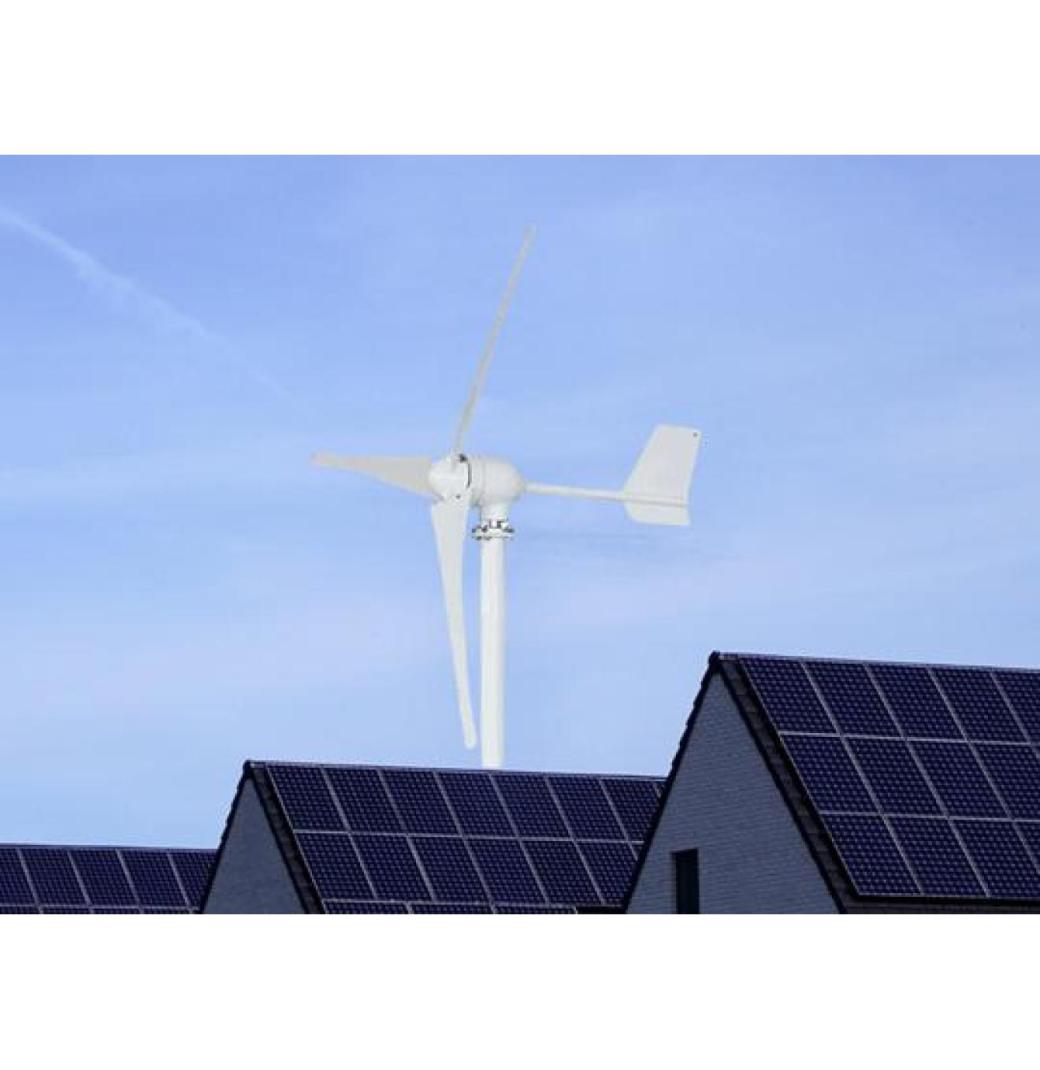
PowerHome presents a product-focused approach for users comparing solar companies for panels, especially those who care less about slogans and more about how equipment actually performs in real installations. The catalog centers on complete solar energy systems built from dependable photovoltaic components, designed to scale from residential rooftops to demanding commercial or remote power applications. Instead of abstract promises, the emphasis stays on hardware compatibility, efficiency ranges, and long-term system stability.
Many buyers come in with a practical question: will the system handle daily load changes, storage expansion, or future electrification? PowerHome’s solar power solutions address this by pairing high-efficiency panels with adaptable solar inverter solutions that support grid-tied, hybrid, and off-grid configurations. This makes the products relevant not only for standard homes, but also for workshops, agricultural facilities, and backup power projects where uptime matters more than aesthetics.
For locations where grid access is limited or unreliable, the off grid solar kits stand out as a complete answer. These kits integrate panels, inverters, and balance-of-system components that are engineered to work together, reducing common installation errors. Users often underestimate how much performance is lost through mismatched parts; this is where PowerHome’s focus on system-level design becomes valuable. The kits are sized with real-world consumption patterns in mind, not theoretical best cases.
Another area where users see immediate benefit is solar installation support. Detailed wiring guidance, load calculation references, and equipment documentation help installers and technically minded buyers shorten project timelines. This level of support is particularly useful for those expanding existing arrays or integrating battery storage later, since the underlying photovoltaic components are selected for long-term compatibility.
From an engineering perspective, PowerHome products reflect years of experience working with evolving inverter topologies and panel technologies. Voltage tolerances, conversion efficiency, and thermal performance are treated as core design factors rather than marketing bullet points. That attention to detail shows up in smoother system operation and fewer field adjustments after installation.
For buyers evaluating solar companies for panels, PowerHome offers a clear product-driven option: strong hardware, realistic system design, and solar power solutions that are meant to work as part of a complete energy setup, not as isolated components.
Read morePublished on December 17, 2025


PowerHome presents a product-focused approach for users comparing solar companies for panels, especially those who care less about slogans and more about how equipment actually performs in real installations. The catalog centers on complete solar energy systems built from dependable photovoltaic components, designed to scale from residential rooftops to demanding commercial or remote power applications. Instead of abstract promises, the emphasis stays on hardware compatibility, efficiency ranges, and long-term system stability.
Many buyers come in with a practical question: will the system handle daily load changes, storage expansion, or future electrification? PowerHome’s solar power solutions address this by pairing high-efficiency panels with adaptable solar inverter solutions that support grid-tied, hybrid, and off-grid configurations. This makes the products relevant not only for standard homes, but also for workshops, agricultural facilities, and backup power projects where uptime matters more than aesthetics.
For locations where grid access is limited or unreliable, the off grid solar kits stand out as a complete answer. These kits integrate panels, inverters, and balance-of-system components that are engineered to work together, reducing common installation errors. Users often underestimate how much performance is lost through mismatched parts; this is where PowerHome’s focus on system-level design becomes valuable. The kits are sized with real-world consumption patterns in mind, not theoretical best cases.
Another area where users see immediate benefit is solar installation support. Detailed wiring guidance, load calculation references, and equipment documentation help installers and technically minded buyers shorten project timelines. This level of support is particularly useful for those expanding existing arrays or integrating battery storage later, since the underlying photovoltaic components are selected for long-term compatibility.
From an engineering perspective, PowerHome products reflect years of experience working with evolving inverter topologies and panel technologies. Voltage tolerances, conversion efficiency, and thermal performance are treated as core design factors rather than marketing bullet points. That attention to detail shows up in smoother system operation and fewer field adjustments after installation.
For buyers evaluating solar companies for panels, PowerHome offers a clear product-driven option: strong hardware, realistic system design, and solar power solutions that are meant to work as part of a complete energy setup, not as isolated components.

 WWG Hub
Today 04:33
WWG Hub
Today 04:33

 Aussie Energreen
Today 02:01
Aussie Energreen
Today 02:01

 Sanatan Cable Industries
Wednesday 01:52
Sanatan Cable Industries
Wednesday 01:52
 UpgradeX Renewable Energy
Wednesday 00:42
UpgradeX Renewable Energy
Wednesday 00:42
 Ankarsrum Kitchen
Tuesday 04:35
Ankarsrum Kitchen
Tuesday 04:35
 Online Ice Machines
Tuesday 04:29
Online Ice Machines
Tuesday 04:29
 Aussie Energreen
Tuesday 04:16
Aussie Energreen
Tuesday 04:16
 Signvec Technology
Tuesday 04:15
Signvec Technology
Tuesday 04:15
 sisco_density_meter
Tuesday 03:32
sisco_density_meter
Tuesday 03:32
 escortkubota
Tuesday 01:23
escortkubota
Tuesday 01:23
 Ecobridge Australia
Tuesday 00:58
Ecobridge Australia
Tuesday 00:58
 UpgradeX Renewable Energy
Monday 05:45
UpgradeX Renewable Energy
Monday 05:45
 WWG Engineering Pte. Ltd.
Monday 04:50
WWG Engineering Pte. Ltd.
Monday 04:50
 Makerbazar
Monday 04:28
Makerbazar
Monday 04:28
 Aussie Energreen
Saturday 04:47
Aussie Energreen
Saturday 04:47
 Ecobridge Australia
Saturday 03:45
Ecobridge Australia
Saturday 03:45
 UpgradeX Renewable Energy
Friday 05:11
UpgradeX Renewable Energy
Friday 05:11
 Sameer
Friday 03:17
Sameer
Friday 03:17

 Pro
ilife care
Thursday 05:08
Pro
ilife care
Thursday 05:08
 Aussie Energreen
Thursday 04:50
Aussie Energreen
Thursday 04:50
 WWG Hub
Thursday 04:28
WWG Hub
Thursday 04:28
 Riyana
Thursday 03:46
Riyana
Thursday 03:46
 Sanatan Cable Industries
Thursday 02:04
Sanatan Cable Industries
Thursday 02:04
 Ecobridge Australia
Thursday 01:15
Ecobridge Australia
Thursday 01:15