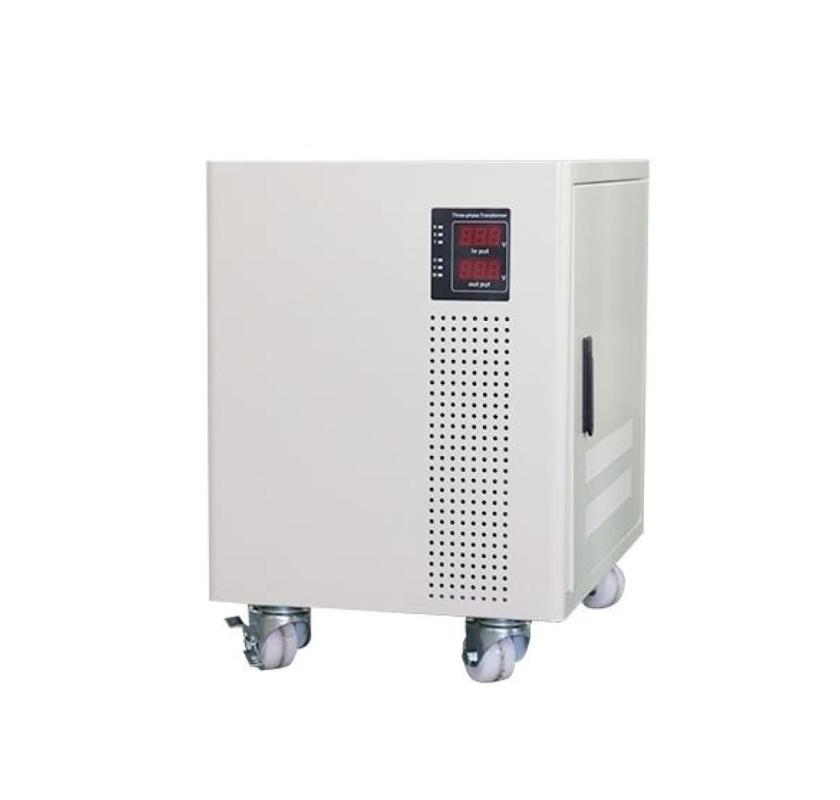
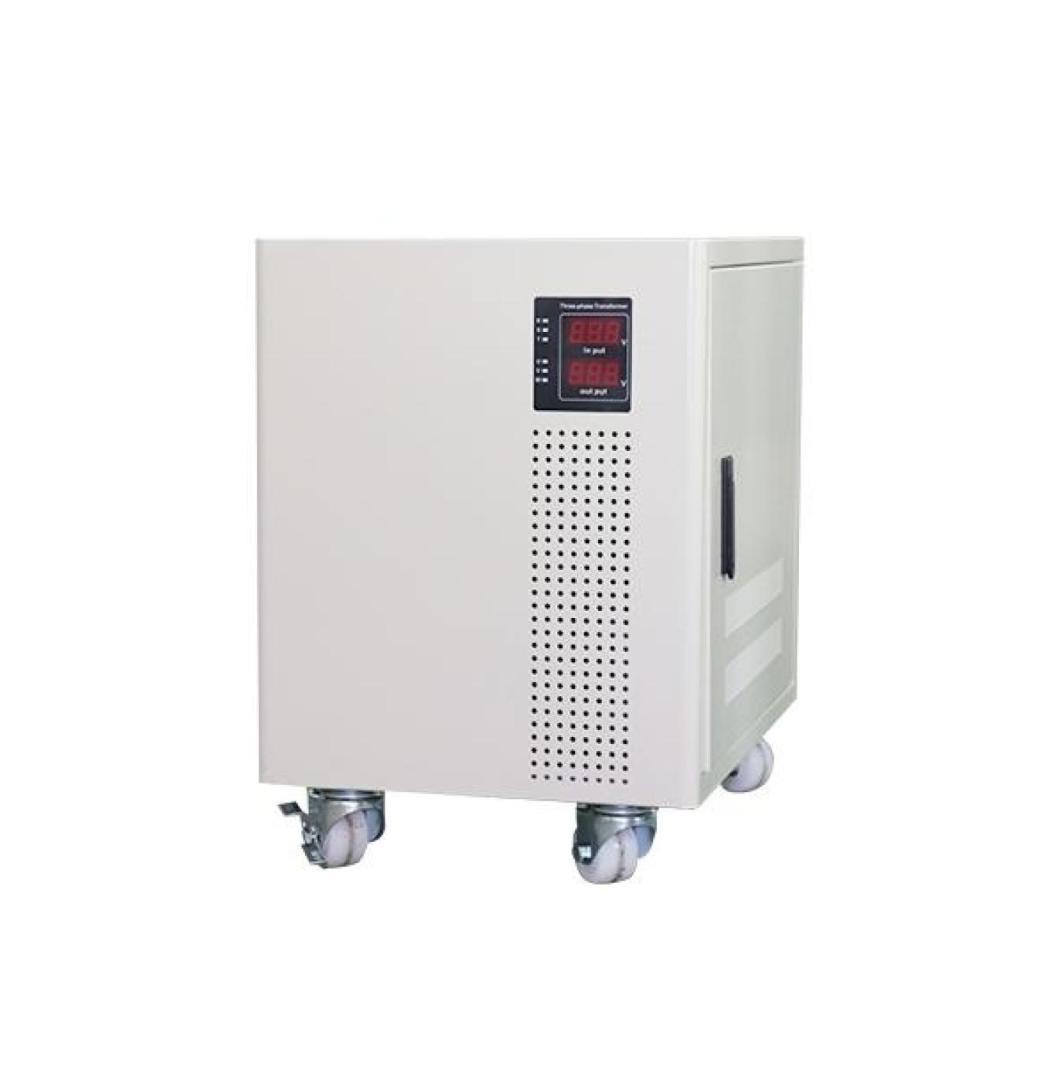
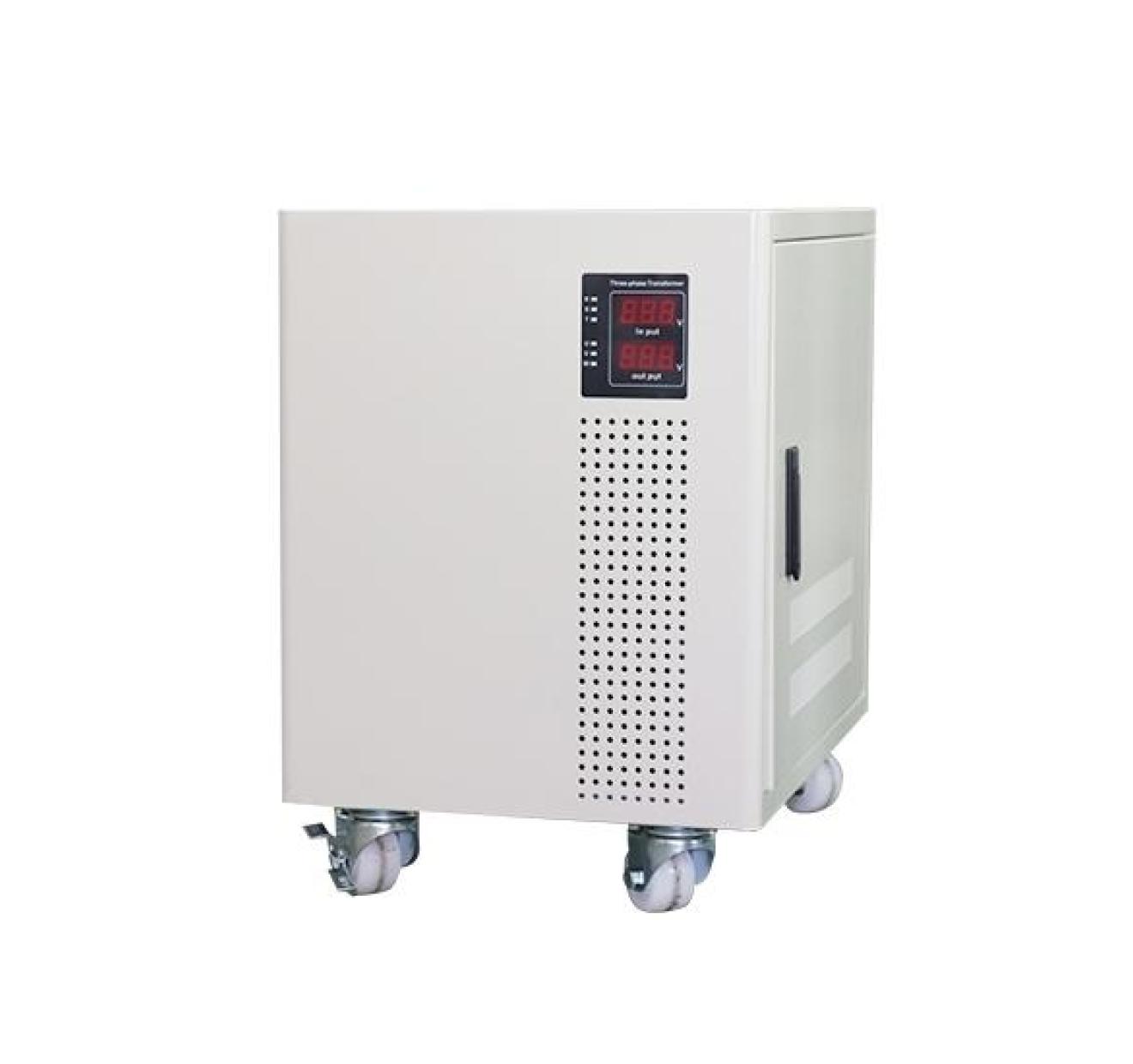
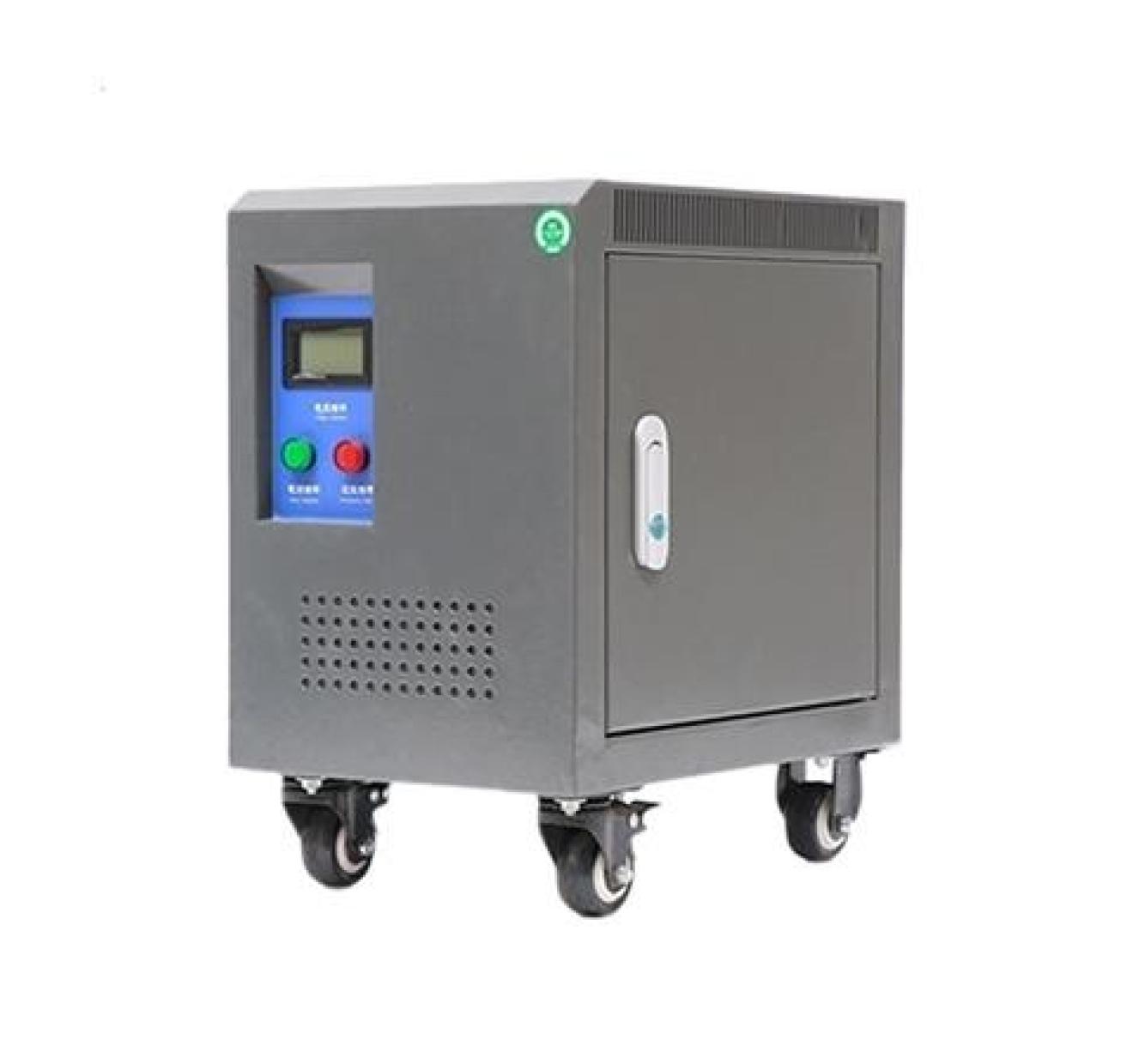
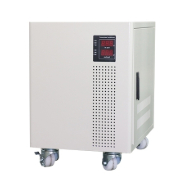
Isolation transformers are a type of specialized electrical transformer, whose core function is to electrically separate a device’s circuit from the main power source, rather than just focusing on voltage conversion. Their structure includes independent primary and secondary windings wound around a magnetic core (usually laminated iron to reduce eddy current losses), with no direct electrical connection—this is fundamentally different from autotransformers that share a common winding.
Most isolation transformers have a turns ratio of 1:1, meaning the number of turns in the primary winding (connected to the mains) is equal to that in the secondary winding (connected to the device). The output voltage is basically the same as the input voltage (excluding minor losses), so their core role is isolation rather than voltage regulation. There are also models with non-1:1 turns ratios such as 2:1 or 1:2, used in industrial scenarios to adjust voltage while maintaining isolation, but these are less commonly applied.
Safety protection is their primary function. In conventional power supply systems, the neutral wire is often grounded. If a fault occurs in the device (e.g., a live wire touching the metal case), the case will become energized, and humans may get an electric shock if they touch the case while being grounded. However, the secondary winding of an isolation transformer has no inherent ground reference— a single fault will not form a ground loop, keeping the case safe. For this reason, they are widely used in medical equipment (such as monitors and surgical tools to avoid electric shock risks), laboratory instruments (to protect personnel and samples), and industrial machinery (to ensure operator safety).
In addition, they can suppress electrical noise and voltage transients. Common-mode noise in the mains (such as EMI and RFI, which exist symmetrically between the live/neutral wires and the ground) induces voltages of equal magnitude but opposite direction in the secondary winding, which cancel each other out. This prevents interference with audio equipment (reducing noise), data center servers (preventing signal damage), and precision machine tools (ensuring machining accuracy). At the same time, they can absorb voltage spikes caused by lightning strikes or power grid switching, protecting components like chips and capacitors.
In general, isolation transformers are key components in modern electrical systems. They not only ensure personnel safety in scenarios like healthcare and laboratories but also guarantee the stable operation of sensitive equipment, playing a fundamental protective role in numerous fields.
Read morePublished on September 24, 2025


Isolation transformers are a type of specialized electrical transformer, whose core function is to electrically separate a device’s circuit from the main power source, rather than just focusing on voltage conversion. Their structure includes independent primary and secondary windings wound around a magnetic core (usually laminated iron to reduce eddy current losses), with no direct electrical connection—this is fundamentally different from autotransformers that share a common winding.
Most isolation transformers have a turns ratio of 1:1, meaning the number of turns in the primary winding (connected to the mains) is equal to that in the secondary winding (connected to the device). The output voltage is basically the same as the input voltage (excluding minor losses), so their core role is isolation rather than voltage regulation. There are also models with non-1:1 turns ratios such as 2:1 or 1:2, used in industrial scenarios to adjust voltage while maintaining isolation, but these are less commonly applied.
Safety protection is their primary function. In conventional power supply systems, the neutral wire is often grounded. If a fault occurs in the device (e.g., a live wire touching the metal case), the case will become energized, and humans may get an electric shock if they touch the case while being grounded. However, the secondary winding of an isolation transformer has no inherent ground reference— a single fault will not form a ground loop, keeping the case safe. For this reason, they are widely used in medical equipment (such as monitors and surgical tools to avoid electric shock risks), laboratory instruments (to protect personnel and samples), and industrial machinery (to ensure operator safety).
In addition, they can suppress electrical noise and voltage transients. Common-mode noise in the mains (such as EMI and RFI, which exist symmetrically between the live/neutral wires and the ground) induces voltages of equal magnitude but opposite direction in the secondary winding, which cancel each other out. This prevents interference with audio equipment (reducing noise), data center servers (preventing signal damage), and precision machine tools (ensuring machining accuracy). At the same time, they can absorb voltage spikes caused by lightning strikes or power grid switching, protecting components like chips and capacitors.
In general, isolation transformers are key components in modern electrical systems. They not only ensure personnel safety in scenarios like healthcare and laboratories but also guarantee the stable operation of sensitive equipment, playing a fundamental protective role in numerous fields.
 Sanatan Cable Industries
Today 06:10
Sanatan Cable Industries
Today 06:10

 Pro
DJI DRONE SALES AND REPAIR
Today 05:44
Pro
DJI DRONE SALES AND REPAIR
Today 05:44
 Mecoinst
Thursday 02:20
Mecoinst
Thursday 02:20
 Greentastic Melbourne
Wednesday 22:07
Greentastic Melbourne
Wednesday 22:07
 Mecoinst
Wednesday 02:03
Mecoinst
Wednesday 02:03
 Anita
Wednesday 01:10
Anita
Wednesday 01:10
 Melbourne Aircon Specialist
Tuesday 21:34
Melbourne Aircon Specialist
Tuesday 21:34
 Sameer
Tuesday 08:04
Sameer
Tuesday 08:04
 Makerbazar
Tuesday 05:01
Makerbazar
Tuesday 05:01
 Greentastic Melbourne
Monday 21:03
Greentastic Melbourne
Monday 21:03

 Pro
SunSaviour
Monday 06:06
Pro
SunSaviour
Monday 06:06
 Pro
GO GET A HEATPUMP
Monday 02:31
Pro
GO GET A HEATPUMP
Monday 02:31
 Melbourne Aircon Specialist
Monday 00:42
Melbourne Aircon Specialist
Monday 00:42

 Orbit Pump
Sunday 08:33
Orbit Pump
Sunday 08:33
 Orbit Pump
Sunday 08:13
Orbit Pump
Sunday 08:13
 Chiu Vention
Friday 16:10
Chiu Vention
Friday 16:10
 Advanced Amorphous
Friday 05:08
Advanced Amorphous
Friday 05:08
 Pro
Gadget Guys
1 week
Pro
Gadget Guys
1 week
 Pro
DJI DRONE SALES AND REPAIR
1 week
Pro
DJI DRONE SALES AND REPAIR
1 week
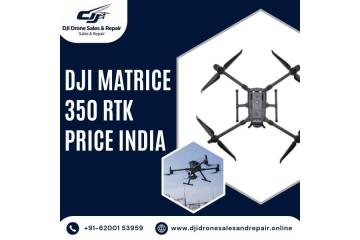
 Bentec Components
1 week
Bentec Components
1 week
 gosov17975
1 week
gosov17975
1 week
 Heavenlight Electronics
1 week
Heavenlight Electronics
1 week
 martin
1 week
martin
1 week
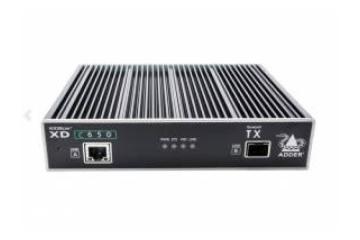 martin
1 week
martin
1 week