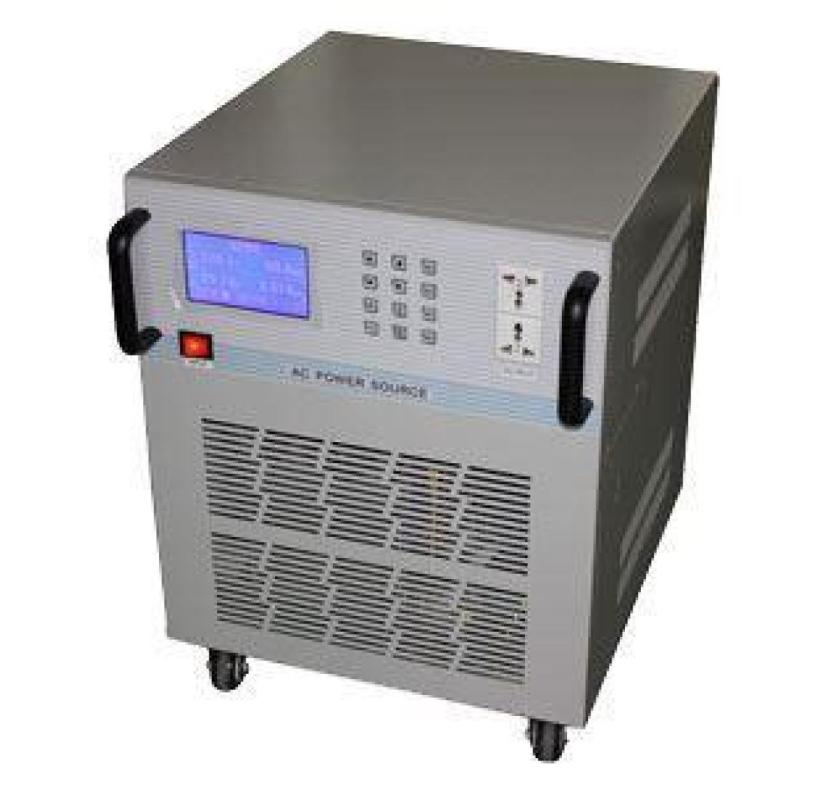
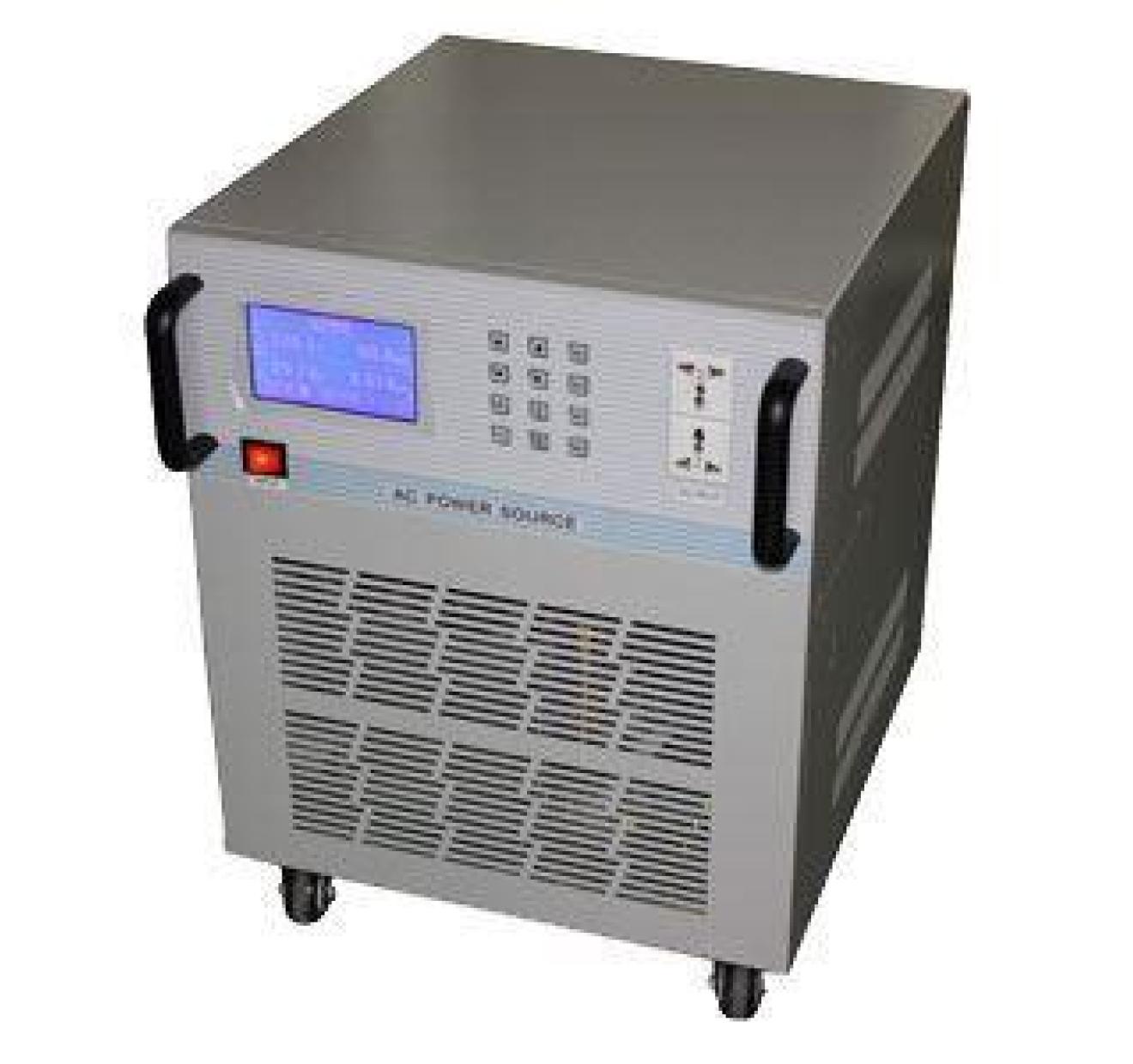
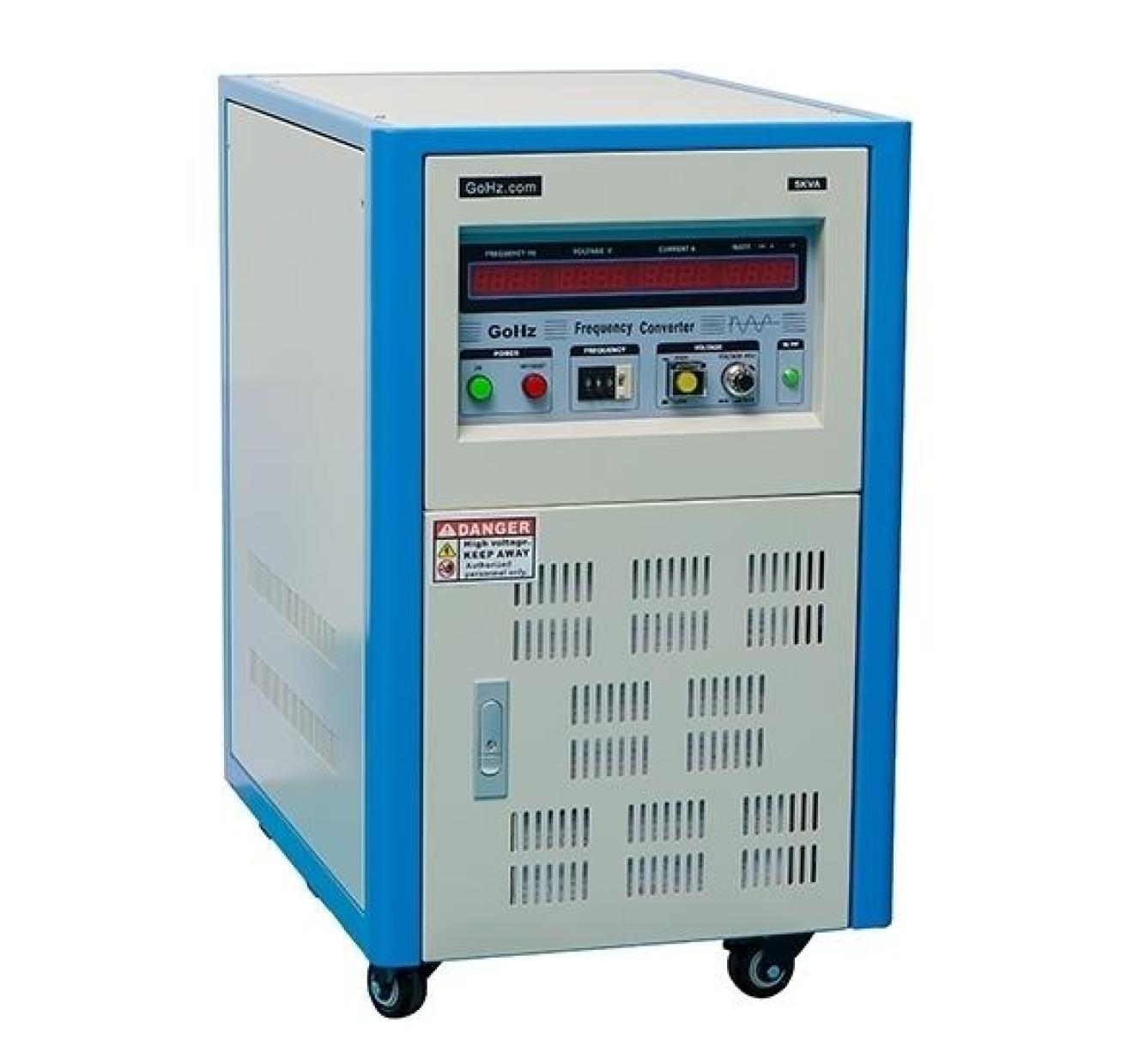
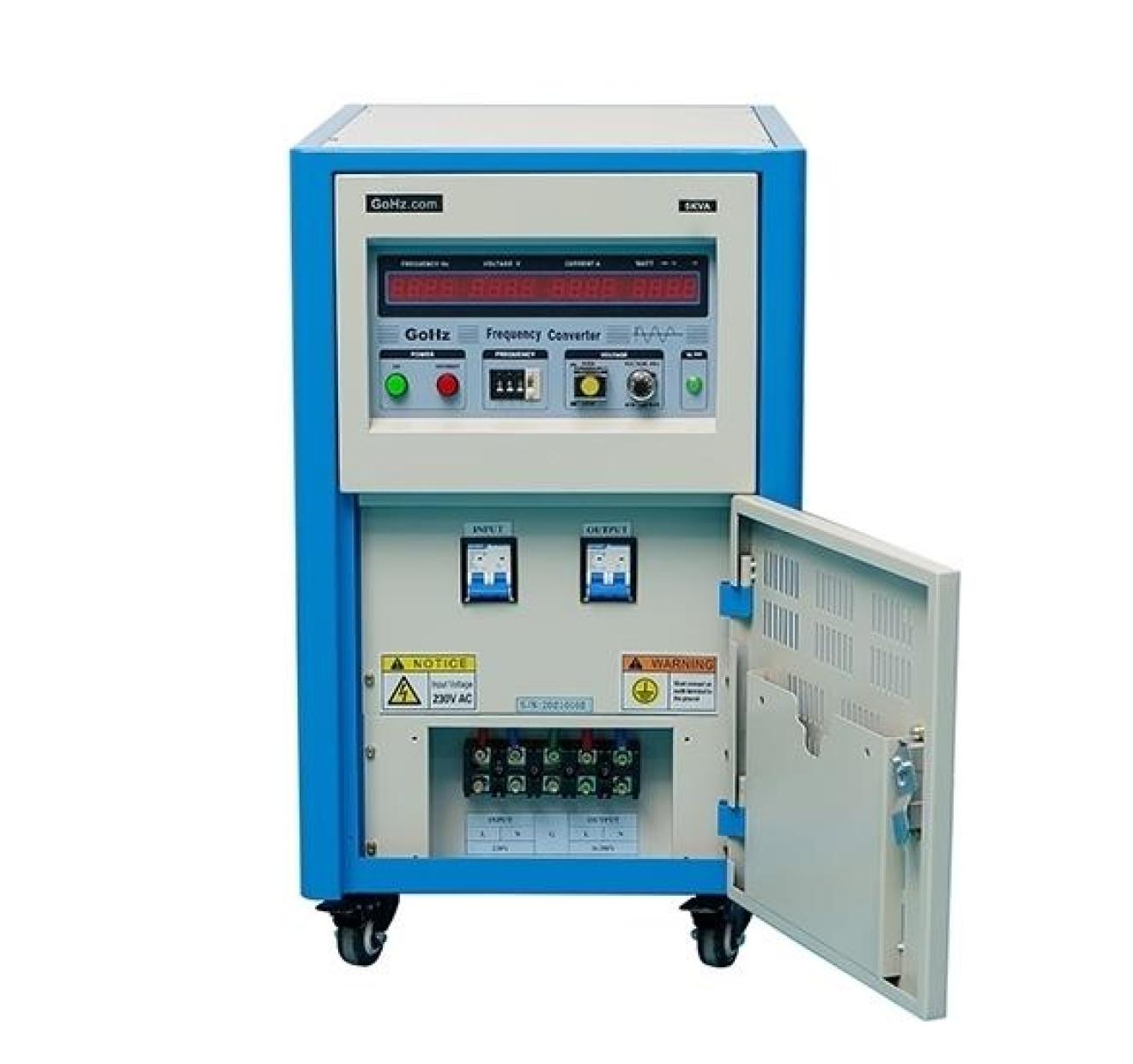
As renewable energy adoption accelerates, hybrid systems that combine solar panels, wind turbines, and energy storage are becoming essential in both urban and remote applications. However, one of the major technical challenges lies in frequency synchronization. Renewable energy sources often generate power at variable outputs that cannot be directly connected to conventional electrical grids or sensitive loads. GoHz three phase static frequency converters 3 kVA to 200 kVA provide the critical interface to solve this problem, converting inconsistent renewable inputs into stable 50Hz or 60Hz outputs for safe grid distribution or direct equipment operation.
In microgrids and remote communities, where power reliability is a constant concern, GoHz three phase frequency converters ensure continuous and stable electricity, even when renewable inputs fluctuate due to weather conditions. By smoothing frequency variations, these 3-phase converters protect appliances and industrial equipment from damage while enabling communities to enjoy uninterrupted power supply. Their static design, with no moving parts, ensures quiet, efficient operation and reduces maintenance requirements, making them well-suited for isolated or resource-limited areas.
For aviation-linked renewable projects, GoHz also offers 400Hz to 50/60Hz frequency converters that can deliver renewable power directly to ground support equipment. This reduces reliance on fossil fuel generators at airports and military bases, lowering emissions while maintaining operational reliability.
By supporting the integration of renewables into hybrid systems, GoHz static frequency converters 50Hz/60Hz/400Hz contribute to both technical stability and sustainability. They enable efficient load sharing between renewable sources and storage while helping reduce carbon footprints. From decentralized village microgrids to renewable-powered aviation facilities, GoHz converters play a vital role in advancing clean energy adoption and achieving global carbon reduction goals.
Published on September 25, 2025


As renewable energy adoption accelerates, hybrid systems that combine solar panels, wind turbines, and energy storage are becoming essential in both urban and remote applications. However, one of the major technical challenges lies in frequency synchronization. Renewable energy sources often generate power at variable outputs that cannot be directly connected to conventional electrical grids or sensitive loads. GoHz three phase static frequency converters 3 kVA to 200 kVA provide the critical interface to solve this problem, converting inconsistent renewable inputs into stable 50Hz or 60Hz outputs for safe grid distribution or direct equipment operation.
In microgrids and remote communities, where power reliability is a constant concern, GoHz three phase frequency converters ensure continuous and stable electricity, even when renewable inputs fluctuate due to weather conditions. By smoothing frequency variations, these 3-phase converters protect appliances and industrial equipment from damage while enabling communities to enjoy uninterrupted power supply. Their static design, with no moving parts, ensures quiet, efficient operation and reduces maintenance requirements, making them well-suited for isolated or resource-limited areas.
For aviation-linked renewable projects, GoHz also offers 400Hz to 50/60Hz frequency converters that can deliver renewable power directly to ground support equipment. This reduces reliance on fossil fuel generators at airports and military bases, lowering emissions while maintaining operational reliability.
By supporting the integration of renewables into hybrid systems, GoHz static frequency converters 50Hz/60Hz/400Hz contribute to both technical stability and sustainability. They enable efficient load sharing between renewable sources and storage while helping reduce carbon footprints. From decentralized village microgrids to renewable-powered aviation facilities, GoHz converters play a vital role in advancing clean energy adoption and achieving global carbon reduction goals.

 Signvec Technology
Today 04:32
Signvec Technology
Today 04:32
 Ecobridge Australia
Monday 04:57
Ecobridge Australia
Monday 04:57
 Ecobridge Australia
Monday 04:54
Ecobridge Australia
Monday 04:54
 Sameer
Monday 01:26
Sameer
Monday 01:26
 Sameer
Monday 00:38
Sameer
Monday 00:38
 Ecobridge Australia
Sunday 10:25
Ecobridge Australia
Sunday 10:25
 Ecobridge Australia
Saturday 11:53
Ecobridge Australia
Saturday 11:53
 electrocraft
Friday 07:00
electrocraft
Friday 07:00

 Pro
Trishul Engineering Corporation
Friday 06:31
Pro
Trishul Engineering Corporation
Friday 06:31
 Hyperbaric Business Solutions
Friday 03:51
Hyperbaric Business Solutions
Friday 03:51
 WWG Engineering Pte. Ltd.
Thursday 05:02
WWG Engineering Pte. Ltd.
Thursday 05:02
 Heavenlight Electronics
Thursday 02:41
Heavenlight Electronics
Thursday 02:41
 Heavenlight Electronics
Thursday 02:31
Heavenlight Electronics
Thursday 02:31

 Pro
DJI DRONE SALES AND REPAIR
Thursday 01:38
Pro
DJI DRONE SALES AND REPAIR
Thursday 01:38

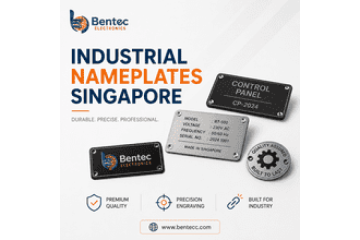
 Bentec Components
Wednesday 23:56
Bentec Components
Wednesday 23:56
 Melbourne Aircon Specialist
Wednesday 20:54
Melbourne Aircon Specialist
Wednesday 20:54

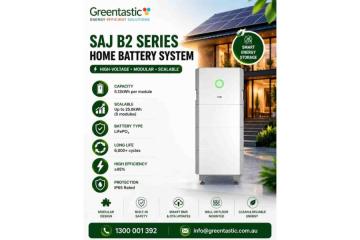
 Greentastic Melbourne
Wednesday 02:00
Greentastic Melbourne
Wednesday 02:00
 Pro
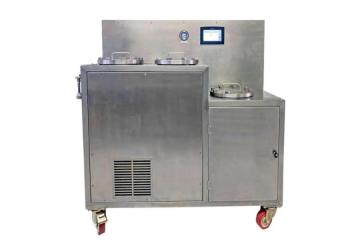
PURE5 Extraction
Tuesday 03:51
Pro
PURE5 Extraction
Tuesday 03:51
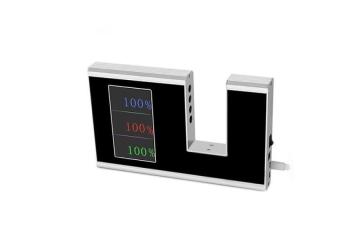
 SISCO Tint Meter
Tuesday 03:39
SISCO Tint Meter
Tuesday 03:39
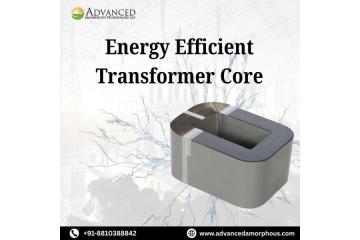
 Advanced Amorphous
Tuesday 03:27
Advanced Amorphous
Tuesday 03:27
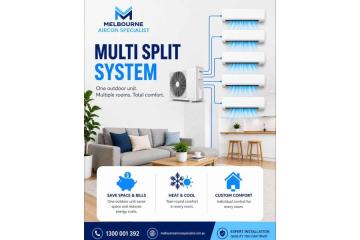
 Melbourne Aircon Specialist
Tuesday 01:03
Melbourne Aircon Specialist
Tuesday 01:03
 vishal mishra
Tuesday 00:48
vishal mishra
Tuesday 00:48
 NewDeals
1 week
NewDeals
1 week

 Canny Elevator
1 week
Canny Elevator
1 week