Oh the most beautiful creature in existence, oh calm atmosphere and the sweetest mood, my love for you is limitless, I love you. I loved with you like madness, you added flavor and color to my life, glory be to the Creator, these eyes, I love you.
Ultimately, Gallaudet chose to adopt the methods of the French Institut National de Jeunes Sourds de Paris, and convinced Laurent Clerc, an assistant to the school's founder Charles-Michel de l'Épée, to accompany him back to the United States. Upon his return, Gallaudet founded the ASD on April 15, 1817.
More schools for the deaf were founded after ASD, and knowledge of ASL spread to those schools. In addition, the rise of Deaf بالروح افديك community organizations bolstered the continued use of ASL.
Societies such as the National Association of the Deaf and the National Fraternal Society of the Deaf held national conventions that attracted signers from across the country. All of that contributed to ASL's wide use over a large geographical area, atypical of a sign language.
While oralism, an approach to educating deaf students focusing on oral language, had previously been used in American schools, the Milan Congress made it dominant and effectively banned the use of sign languages at schools in the United States and Europe.
However, the efforts of Deaf advocates and educators, more lenient enforcement of the Congress's mandate, and the use of ASL in religious education and proselytism ensured greater use and documentation compared to European sign languages, albeit more influenced by fingerspelled loanwords and borrowed idioms from English as students were societally pressured to achieve fluency in spoken language.
Nevertheless, oralism remained the predominant method of deaf education up to the 1950s. Linguists did not consider sign language to be true "language" but as something inferior.
Recognition of the legitimacy of ASL was achieved by William Stokoe, a linguist who arrived at Gallaudet University in 1955 when that was still the dominant assumption. Aided by the Civil Rights Movement of the 1960s, Stokoe argued for manualism, the use of sign language in deaf education.
Read morePublished on August 24, 2025


Oh the most beautiful creature in existence, oh calm atmosphere and the sweetest mood, my love for you is limitless, I love you. I loved with you like madness, you added flavor and color to my life, glory be to the Creator, these eyes, I love you.
Ultimately, Gallaudet chose to adopt the methods of the French Institut National de Jeunes Sourds de Paris, and convinced Laurent Clerc, an assistant to the school's founder Charles-Michel de l'Épée, to accompany him back to the United States. Upon his return, Gallaudet founded the ASD on April 15, 1817.
More schools for the deaf were founded after ASD, and knowledge of ASL spread to those schools. In addition, the rise of Deaf بالروح افديك community organizations bolstered the continued use of ASL.
Societies such as the National Association of the Deaf and the National Fraternal Society of the Deaf held national conventions that attracted signers from across the country. All of that contributed to ASL's wide use over a large geographical area, atypical of a sign language.
While oralism, an approach to educating deaf students focusing on oral language, had previously been used in American schools, the Milan Congress made it dominant and effectively banned the use of sign languages at schools in the United States and Europe.
However, the efforts of Deaf advocates and educators, more lenient enforcement of the Congress's mandate, and the use of ASL in religious education and proselytism ensured greater use and documentation compared to European sign languages, albeit more influenced by fingerspelled loanwords and borrowed idioms from English as students were societally pressured to achieve fluency in spoken language.
Nevertheless, oralism remained the predominant method of deaf education up to the 1950s. Linguists did not consider sign language to be true "language" but as something inferior.
Recognition of the legitimacy of ASL was achieved by William Stokoe, a linguist who arrived at Gallaudet University in 1955 when that was still the dominant assumption. Aided by the Civil Rights Movement of the 1960s, Stokoe argued for manualism, the use of sign language in deaf education.

 so4mp3
Today 04:56
so4mp3
Today 04:56
 so4mp3
Friday 18:46
so4mp3
Friday 18:46
 String Musicians Australia
Tuesday 23:45
String Musicians Australia
Tuesday 23:45
 so4mp3
1 week
so4mp3
1 week
 String Musicians Australia
3 weeks
String Musicians Australia
3 weeks
 Find Live Music
3 weeks
Find Live Music
3 weeks
 Find Live Music
3 weeks
Find Live Music
3 weeks
 Music Medicine
1 month
Music Medicine
1 month
 String Musicians Australia
1 month
String Musicians Australia
1 month
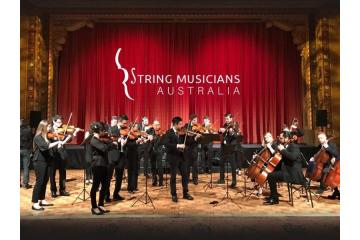 so4mp3
1 month
so4mp3
1 month
 String Musicians Australia
1 month
String Musicians Australia
1 month
 Find Live Music
1 month
Find Live Music
1 month
 so4mp3
1 month
so4mp3
1 month
 Find Live Music
1 month
Find Live Music
1 month
 String Musicians Australia
2 months
String Musicians Australia
2 months
 so4mp3
2 months
so4mp3
2 months
 Find Live Music
2 months
Find Live Music
2 months
 String Musicians Australia
2 months
String Musicians Australia
2 months
 String Musicians Australia
3 months
String Musicians Australia
3 months
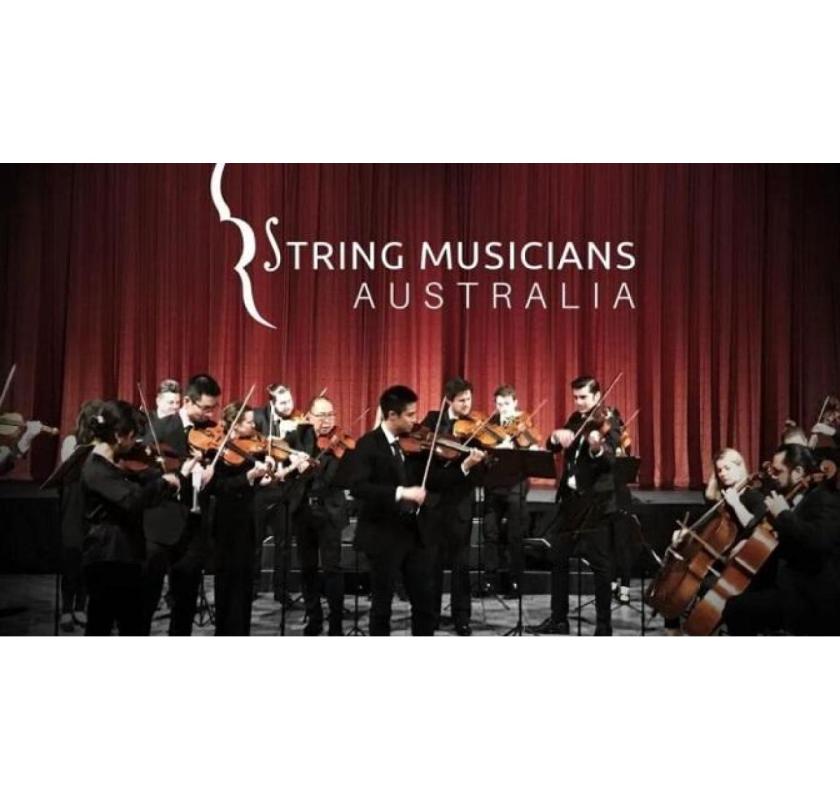 Find Live Music
3 months
Find Live Music
3 months
 Find Live Music
3 months
Find Live Music
3 months
 Find Live Music
3 months
Find Live Music
3 months
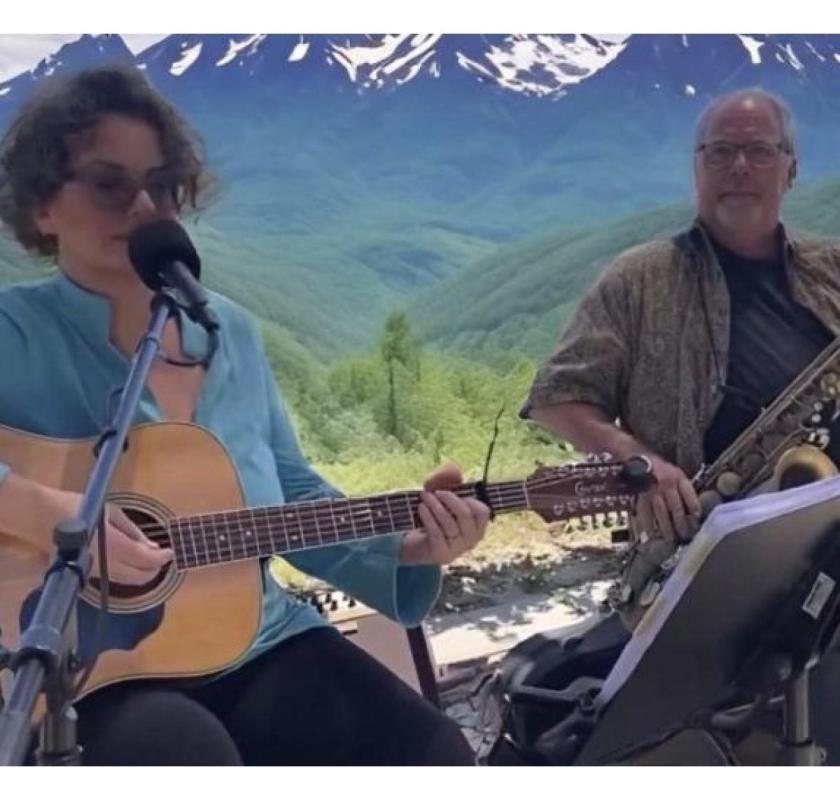 Find Live Music
3 months
Find Live Music
3 months
 so4mp3
3 months
so4mp3
3 months