When I was yours, you sold me out in my time of weakness, you walked away and left me. Why are you coming back now that you've lost me? Tell me why you're returning. My dream of being with you is lost and gone, my life has darkened and faded because of you. My heart is free of you. While oralism, an approach to educating deaf students focusing on oral language, had previously been used in American schools, the Milan بكفاية احمد خالد كلمات اغنية مكتوبة Congress made it dominant and effectively banned the use of sign languages at schools in the United States and Europe. However, the efforts of Deaf advocates and educators, more lenient enforcement of the Congress's mandate, and the use of ASL in religious education and proselytism ensured greater use and documentation compared to European sign languages, albeit more influenced by fingerspelled loanwords and borrowed idioms from English as students were societally pressured to achieve fluency in spoken language. Nevertheless, oralism remained the predominant method of deaf education up to the 1950s. Linguists did not consider sign language to be true "language" but as something inferior. Recognition of the legitimacy of ASL was achieved by William Stokoe, a linguist who arrived at Gallaudet University in 1955 when that was still the dominant assumption. Aided by the Civil Rights Movement of the 1960s, Stokoe argued for manualism, the use of sign language in deaf education. Stokoe noted that sign language shares the important features that oral languages have as a means of communication, and even devised a transcription system for ASL. In doing so, Stokoe revolutionized both deaf education and linguistics. In the 1960s, ASL was sometimes referred to as "Ameslan", but that term is now considered obsolete. The largest group of students during the first seven decades of the school were from Martha's Vineyard, and they brought MVSL with them. There were also 44 students from around Henniker, New Hampshire, and 27 from the Sandy River valley in Maine, each of which had their own village sign language.
Read morePublished on November 18, 2025


When I was yours, you sold me out in my time of weakness, you walked away and left me. Why are you coming back now that you've lost me? Tell me why you're returning. My dream of being with you is lost and gone, my life has darkened and faded because of you. My heart is free of you. While oralism, an approach to educating deaf students focusing on oral language, had previously been used in American schools, the Milan بكفاية احمد خالد كلمات اغنية مكتوبة Congress made it dominant and effectively banned the use of sign languages at schools in the United States and Europe. However, the efforts of Deaf advocates and educators, more lenient enforcement of the Congress's mandate, and the use of ASL in religious education and proselytism ensured greater use and documentation compared to European sign languages, albeit more influenced by fingerspelled loanwords and borrowed idioms from English as students were societally pressured to achieve fluency in spoken language. Nevertheless, oralism remained the predominant method of deaf education up to the 1950s. Linguists did not consider sign language to be true "language" but as something inferior. Recognition of the legitimacy of ASL was achieved by William Stokoe, a linguist who arrived at Gallaudet University in 1955 when that was still the dominant assumption. Aided by the Civil Rights Movement of the 1960s, Stokoe argued for manualism, the use of sign language in deaf education. Stokoe noted that sign language shares the important features that oral languages have as a means of communication, and even devised a transcription system for ASL. In doing so, Stokoe revolutionized both deaf education and linguistics. In the 1960s, ASL was sometimes referred to as "Ameslan", but that term is now considered obsolete. The largest group of students during the first seven decades of the school were from Martha's Vineyard, and they brought MVSL with them. There were also 44 students from around Henniker, New Hampshire, and 27 from the Sandy River valley in Maine, each of which had their own village sign language.

 so4mp3
Today 04:56
so4mp3
Today 04:56
 so4mp3
Friday 18:46
so4mp3
Friday 18:46
 String Musicians Australia
Tuesday 23:45
String Musicians Australia
Tuesday 23:45
 so4mp3
1 week
so4mp3
1 week
 String Musicians Australia
3 weeks
String Musicians Australia
3 weeks
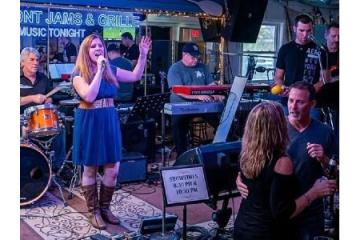
 Find Live Music
3 weeks
Find Live Music
3 weeks
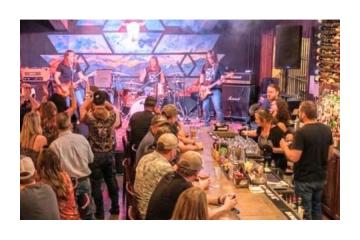
 Find Live Music
3 weeks
Find Live Music
3 weeks
 Music Medicine
1 month
Music Medicine
1 month
 String Musicians Australia
1 month
String Musicians Australia
1 month
 so4mp3
1 month
so4mp3
1 month
 String Musicians Australia
1 month
String Musicians Australia
1 month
 Find Live Music
1 month
Find Live Music
1 month
 so4mp3
1 month
so4mp3
1 month
 Find Live Music
1 month
Find Live Music
1 month
 String Musicians Australia
2 months
String Musicians Australia
2 months
 so4mp3
2 months
so4mp3
2 months
 Find Live Music
2 months
Find Live Music
2 months
 String Musicians Australia
2 months
String Musicians Australia
2 months
 String Musicians Australia
3 months
String Musicians Australia
3 months
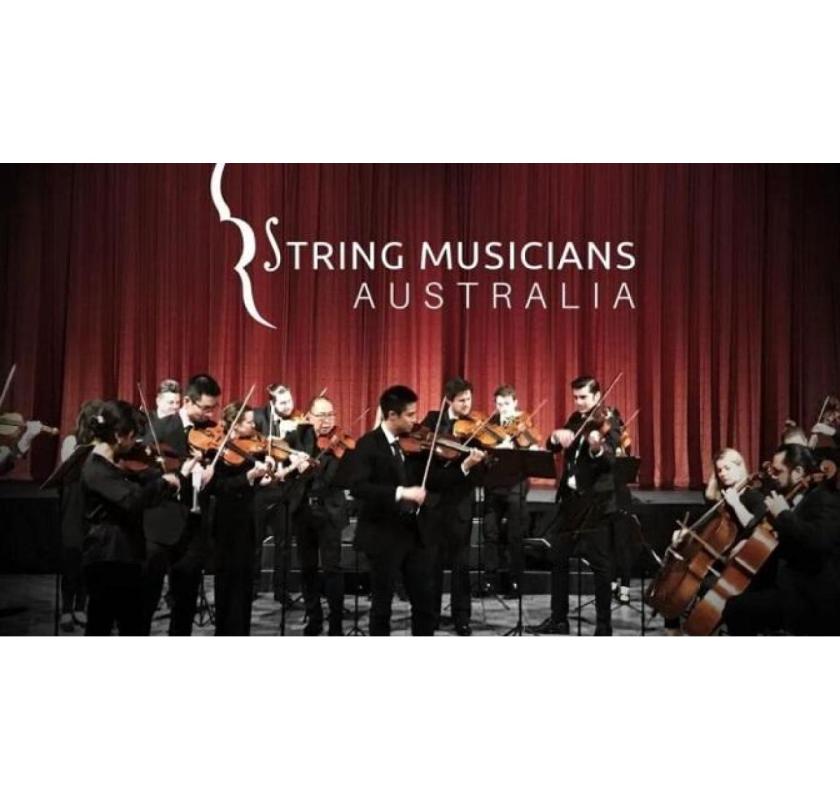 Find Live Music
3 months
Find Live Music
3 months
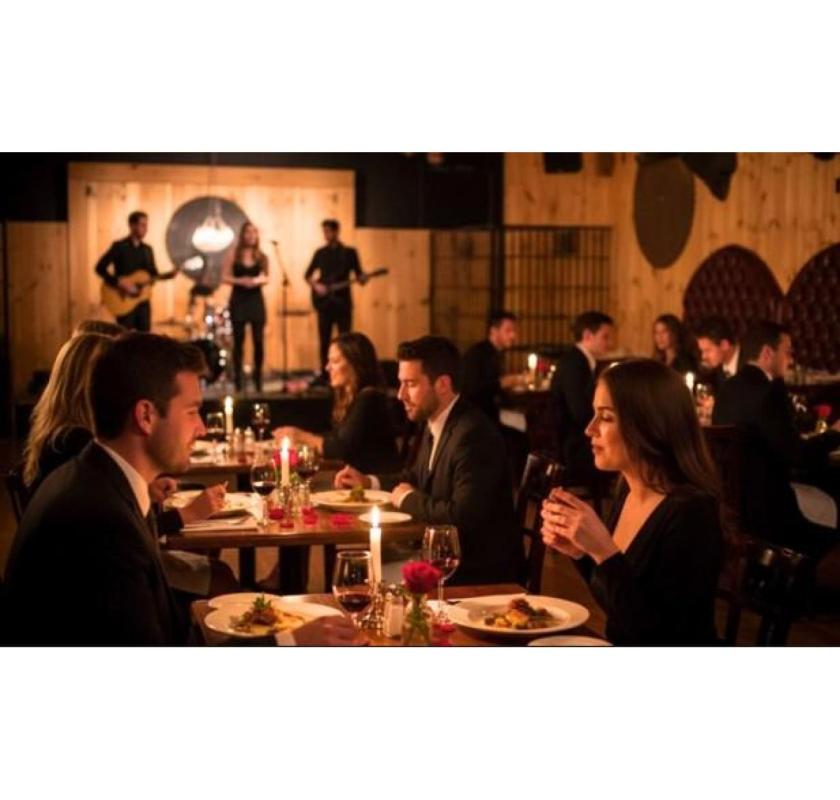 Find Live Music
3 months
Find Live Music
3 months
 Find Live Music
3 months
Find Live Music
3 months
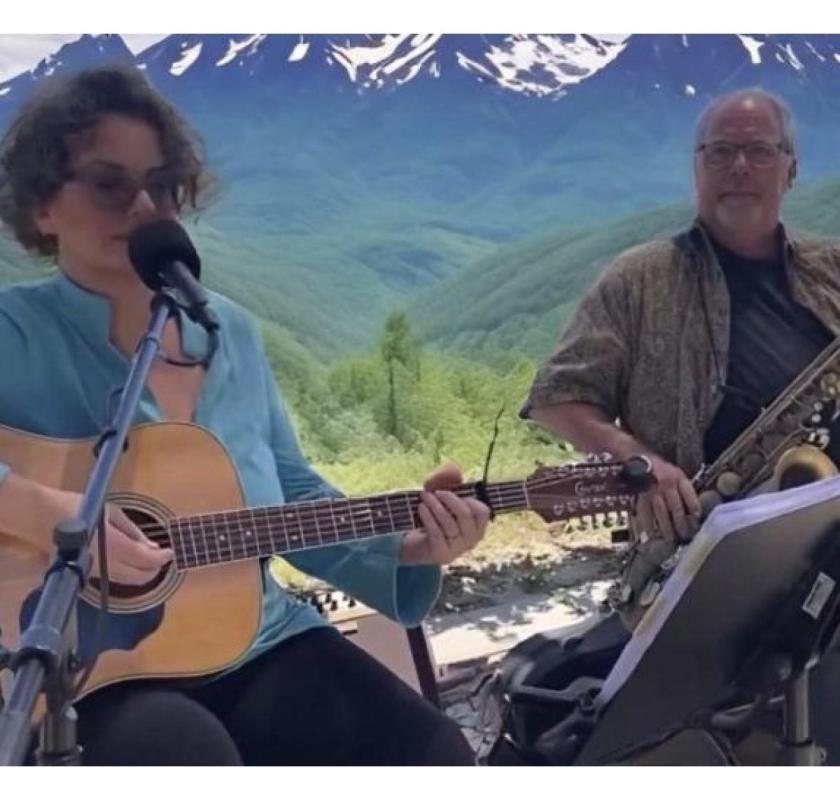 Find Live Music
3 months
Find Live Music
3 months
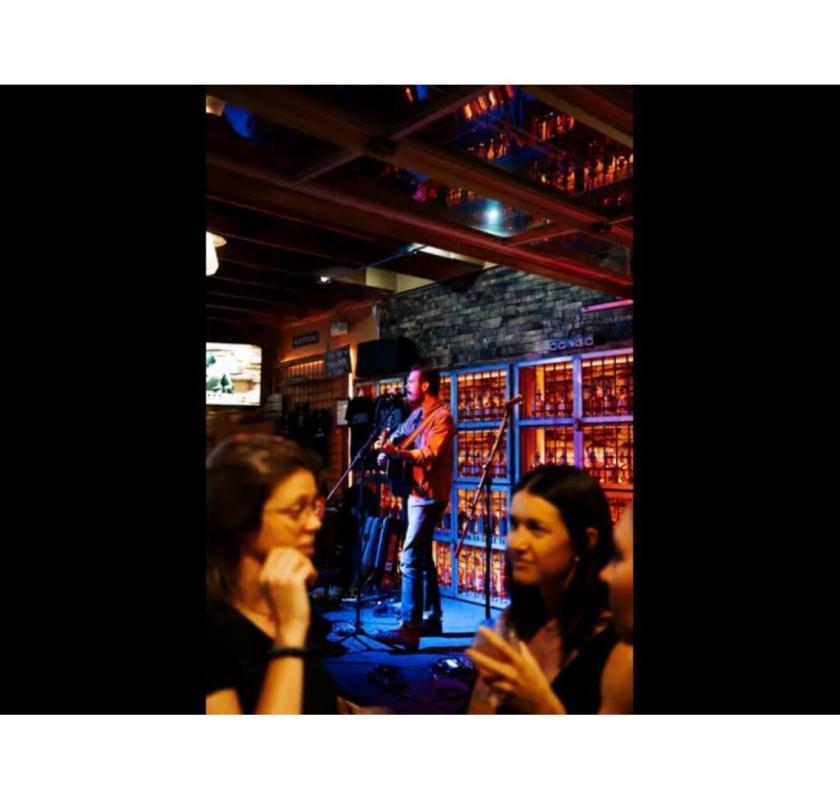 so4mp3
3 months
so4mp3
3 months